July 31, 2026
Have you ever walked from a chilled living room into a back bedroom that feels exactly like a sweltering sauna? This discrepancy is a common issue that plagues homeowners during the summer heat. You might adjust your hallway thermostat repeatedly to balance the climate, only to discover that the stubborn room remains warm. Ignoring this uneven cooling can lead to soaring energy bills and a miserable daily living environment.
Identifying the root cause of these annoying temperature variations is the first step toward achieving whole-house comfort. Many underlying factors could be sabotaging your cooling efforts, ranging from structural flaws to mechanical failures. By securing professional HVAC services, you can pinpoint these invisible defects before they compromise your central air system. Throughout this guide, we will explore the primary reasons behind isolated hot spots and discuss solutions to restore harmony to your indoor climate.
Understanding the Impact of Poor Insulation and Drafts
One frequent culprit behind an unusually warm room is inadequate thermal insulation within the walls or attic space. When insulation degrades, settles, or is simply insufficient, external heat easily penetrates the living space. Without the protective barrier that proper insulation provides, the chilled air generated by your central system quickly escapes outdoors. Securing reliable HVAC services can help you determine whether your system is struggling against a fundamentally leaky building envelope.
In addition to poor insulation, unsealed drafts around aging windows and warped door frames significantly contribute to localized temperature spikes. These tiny cracks might seem harmless initially, but they allow a continuous stream of hot summer air to infiltrate the room. As this heavy outside air constantly seeps inside, the room's temperature naturally rises far above the comfortable baseline maintained elsewhere. Addressing these structural leaks through careful caulking and weatherstripping is essential for keeping the infiltrated heat completely at bay.
Homeowners frequently overlook the massive impact that poor attic ventilation can have on the rooms situated directly beneath the roofline. Trapped thermal energy bakes the ceiling materials, radiating intense heat downward into the upper levels of your residential property. Properly venting this trapped atmospheric heat allows the house to breathe, significantly reducing the cooling load placed upon your central machinery. Resolving these structural vulnerabilities ensures that your chosen cooling methods can operate efficiently without fighting a losing battle against the sun.
Analyzing Ductwork Issues and Airflow Restrictions
The network of ductwork hidden behind your walls acts as the respiratory system for your residential property. When these metal or flexible tubes become disconnected, crushed, or riddled with holes, the conditioned air never reaches its intended destination. A room situated at the very end of a damaged duct run will inevitably suffer from a lack of adequate cooling airflow. Utilizing expert HVAC services to inspect and reseal these hidden pathways is a highly effective method for restoring immediate balance to your indoor climate.
Sometimes, the reason a specific room remains unbearably hot is as simple as a blocked or closed air supply register. Furniture, thick area rugs, and heavy window drapes are frequently placed directly over these crucial vents by unsuspecting occupants. This accidental obstruction suffocates the incoming stream of chilled air, leaving the isolated space to gradually warm up. Simply rearranging your interior layout to ensure all registers remain entirely unobstructed can rapidly resolve what otherwise feels like a mechanical failure.
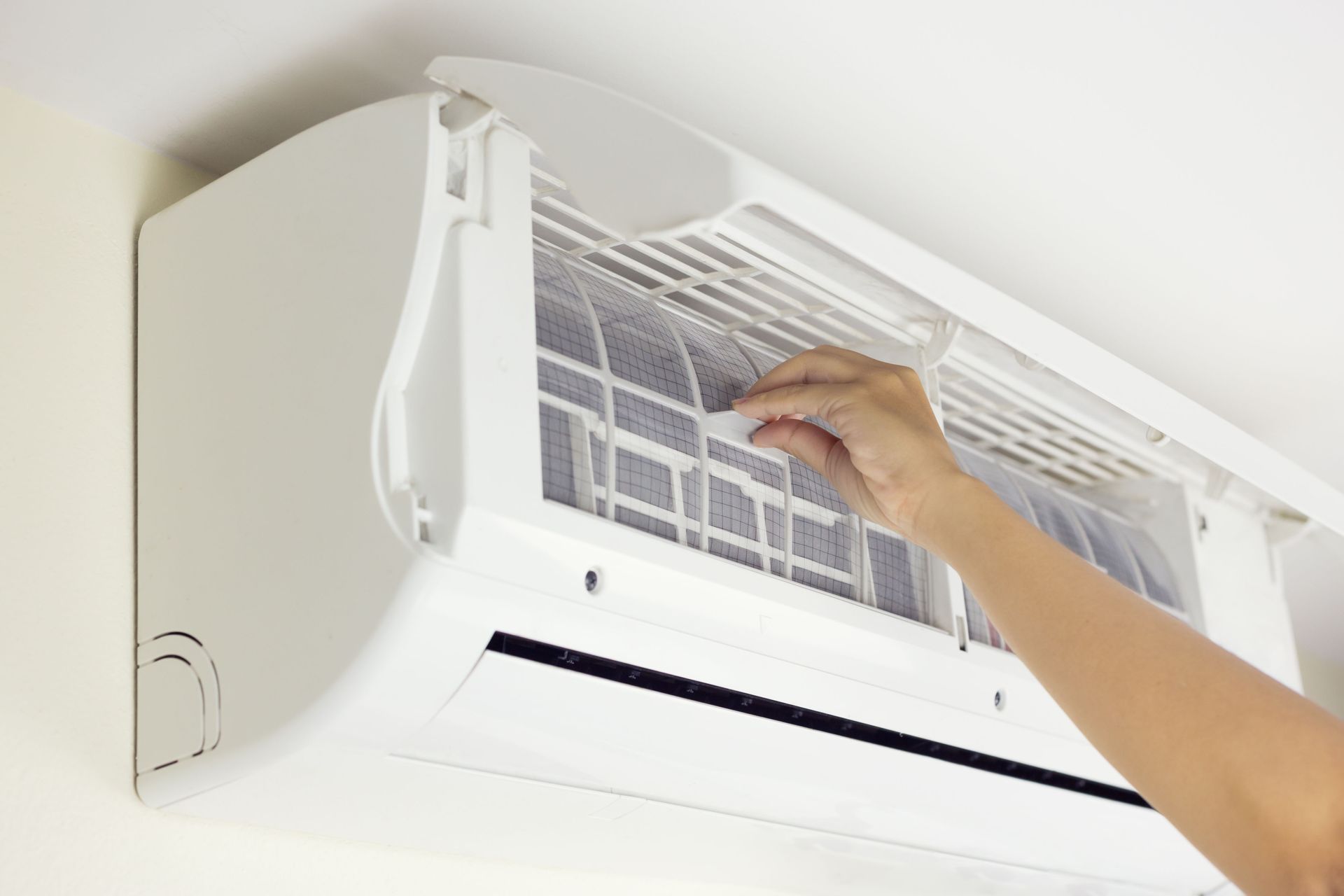
Furthermore, an excessively dirty air filter can massively restrict the overall volume of cold air circulating throughout your entire residential layout. According to recent industry data, cooling units are the primary culprit behind roughly fifty-four percent of all maintenance appointments. When the primary blower motor struggles to pull oxygen through a clogged screen, the rooms furthest from the main unit are always the first to lose their cooling supply. Routinely swapping out these inexpensive filters is a fundamental step that greatly reduces your eventual reliance on emergency HVAC services.
Evaluating the Influence of Sunlight and Window Placement
The physical orientation of your house plays a significant role in how thermal energy is distributed across different living spaces. Rooms facing the south or west typically receive a relentless barrage of direct solar radiation during the hottest parts of the afternoon. This intense sunlight streams through the glass panes, creating a localized greenhouse effect that rapidly elevates the ambient temperature of that specific area. Consequently, your central thermostat, which is likely located in a cooler hallway, never detects this temperature spike and fails to trigger a cooling cycle.
To combat this overwhelming solar heat gain, homeowners must strategically implement defensive window treatments like blackout curtains, reflective window films, or heavy thermal blinds. These physical barriers dramatically reduce the volume of radiant energy allowed to penetrate the room, easing the overall burden placed on your cooling machinery. If window coverings alone do not adequately solve the sweltering problem, it might be necessary to consult with professionals regarding secondary cooling strategies. Bringing in specialized HVAC services to discuss targeted cooling options, such as motorized dampening systems, can provide a more permanent technological solution to this dilemma.
Additionally, the physical age and quality of the windows themselves dictate exactly how much external heat naturally bleeds into your protected living spaces. Single-pane windows, which are extremely common in older historical homes, offer virtually zero thermal resistance against the punishing summer sunshine. Upgrading to modern, double-paned glass with specialized low-emissivity coatings can revolutionize the way your home defends itself against relentless seasonal heat waves. Investing in these structural improvements not only cools down that stubborn room but also fundamentally increases the overall appraisal value of your estate.
Addressing the Age and Capacity of Your Climate Control System
Even with pristine ductwork and flawless insulation, an aging central cooling unit may simply lack the mechanical strength required to chill your house. As compressors and blower motors inevitably degrade over years of heavy usage, their operational efficiency drops dramatically, leaving distant rooms starved of conditioned air. When machinery nears the end of its projected lifespan, the equipment often runs continuously without ever reaching the desired set temperature on the thermostat. Scheduling comprehensive HVAC services allows certified technicians to objectively evaluate whether your current hardware is physically capable of meeting your modern household demands.
Another major factor is whether the central cooling equipment was properly sized for your specific home layout during its initial installation process. An undersized unit will run perpetually in a desperate, ultimately futile attempt to extract heat from a heavily sunlit home during the peak of August. Conversely, an oversized machine will cool the immediate area too quickly and shut off prematurely, completely failing to pull humidity and warmth from the farthest bedrooms. Achieving the perfect equilibrium requires precise mathematical calculations that heavily factor in your square footage, ceiling heights, and overall thermal envelope.
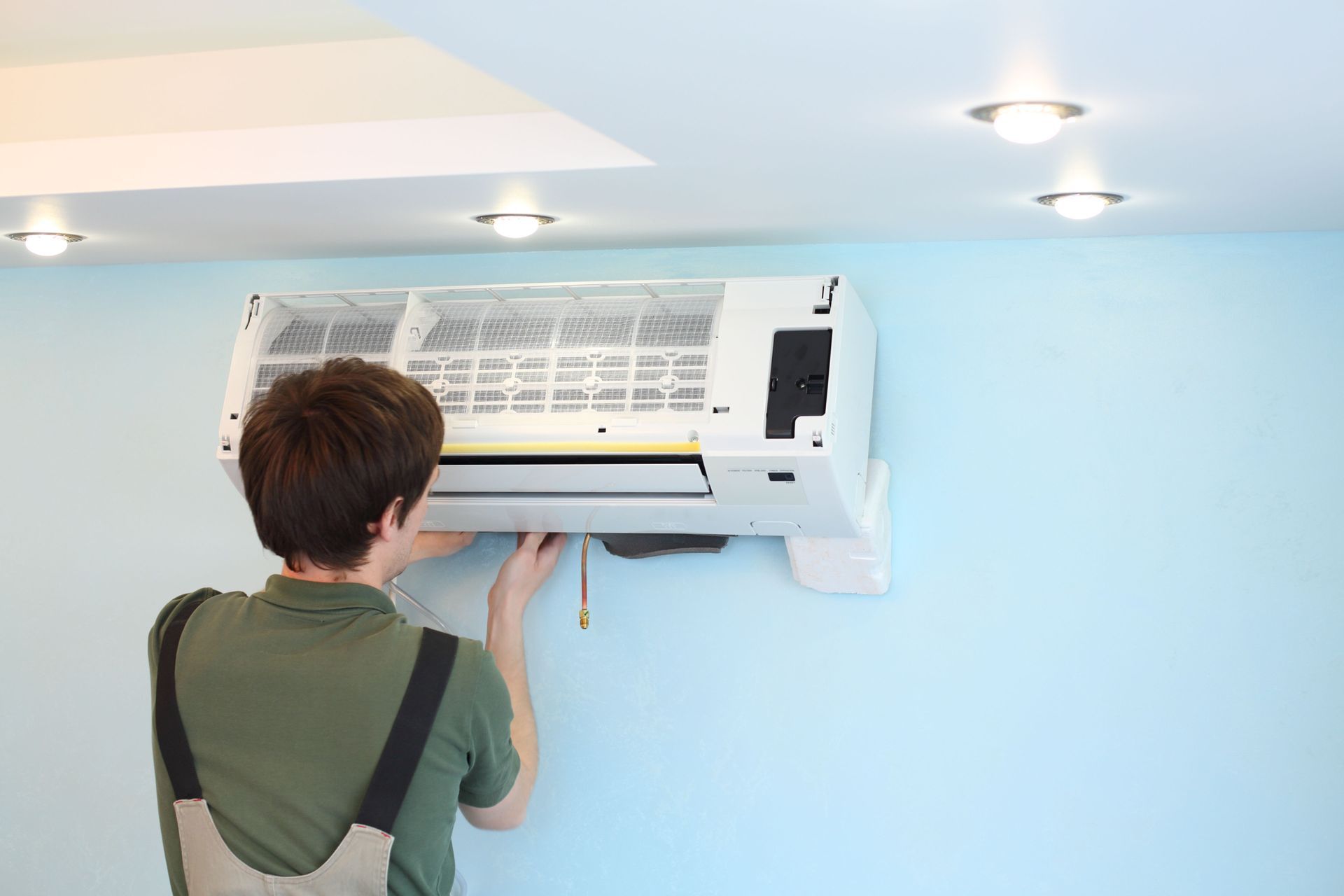
If your central unit is functioning perfectly but that one single room remains stubbornly hot, you might need to explore supplementary cooling technologies. Ductless mini-split systems are phenomenal additions for isolated spaces like sunrooms, converted garages, or upper-level bedrooms that naturally trap rising hot air. These compact, wall-mounted units offer independent temperature control, allowing you to blast freezing air exactly where it is needed most without freezing the entire household. By requesting specialized HVAC services, you can easily determine if a localized mini-split installation is the most cost-effective remedy for your persistently hot room.
Living with a single room that constantly feels like a tropical rainforest is a frustrating experience that nobody should have to endure. As we have explored, the hidden reasons behind these dramatic temperature shifts can range from blocked vents to complicated structural insulation deficits. Fortunately, you do not have to rely on a massive collection of noisy, inefficient floor fans just to achieve a restful night of sleep. By investing in professional
HVAC services, you can finally uncover the true underlying culprit and transform your residence into a perfectly balanced oasis.
At Lyons Home Energy Solutions, we are deeply committed to resolving your most stubborn indoor climate challenges with precision and care. Schedule a comprehensive home consultation with us today so we can instantly restore your comfort. Let us eliminate those miserable hot spots permanently by optimizing your household airflow and cooling performance!